
Public
Exploring the psychology behind casino gambling
The Allure of Casino Atmospheres
The atmosphere within a casino is meticulously crafted to draw in visitors and influence their gambling behavior. Bright lights, vibrant colors, and a cacophony of engaging sounds create an immersive environment that stimulates the senses. This sensory overload is not by chance; it is designed to keep players enthralled and often distract them from the passage of time. Consequently, this leads to longer gambling sessions as players become absorbed in the experience, often unaware of how much time has elapsed. Many enjoy playing at an online casino australia to replicate this thrilling sensation from home and enhance their gaming adventures. The design is aimed at creating a euphoric experience that keeps players returning for more.
Beyond the sensory elements, the strategic layout of gaming machines and tables plays a significant role in guiding players deeper into the establishment. The positioning is intentional, encouraging exploration and interaction with various games, which can lead to impulsive betting behaviors. Studies have shown that this careful design can trigger the release of dopamine in the brain, the chemical associated with pleasure and reward. The anticipation of winning, whether through a jackpot or simply hitting a lucky streak, compels individuals to engage more frequently, often disregarding the inherent risks. This can create a cycle of behavior where the thrill of the game becomes more important than the reality of the odds.
Furthermore, casinos utilize subtle cues to foster a sense of community among players. Group areas and social gaming options, where players can engage with one another, enhance the experience beyond just the game itself. The presence of staff who interact with players can create an inviting atmosphere, amplifying the enjoyment of shared experiences. As individuals bond over their gambling ventures, the feelings of camaraderie can overshadow the potential dangers of gambling, embedding them more deeply into the casino culture. This communal aspect can make the experience more enjoyable and potentially more addictive, as players equate their social interactions with the excitement of gambling.
The Role of Cognitive Biases in Gambling
Cognitive biases have a profound impact on gambling behavior, often leading individuals to make irrational decisions based on misconceptions. One of the most common biases is the illusion of control, where players mistakenly believe they can influence the outcomes of games of chance, such as those involving dice or cards. This false sense of agency often encourages continued gambling, as individuals act under the delusion that their decisions can sway luck in their favor, despite the odds being statistically unfavorable. This cognitive distortion can lead to significant financial losses as players chase their perceived ability to win.
Another prevalent cognitive bias is the gambler’s fallacy, where individuals believe that previous outcomes will affect future results. This can manifest in players thinking that a certain number is “due” to win after a series of losses. For instance, someone who has not won for a while may feel compelled to keep betting, convinced that their luck will change. Understanding these biases is crucial for gamblers, as it can illuminate the psychological traps that lead to continued play, often at the cost of financial stability. By recognizing these patterns, individuals can better understand their motivations and potentially mitigate harmful behaviors.
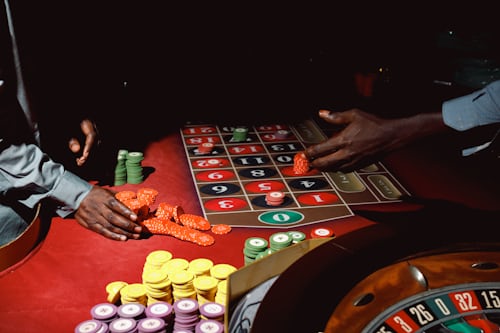
Additionally, the principle of positive reinforcement significantly shapes gambling behaviors. Winning—even on an intermittent basis—reinforces the gambling habit, encouraging players to return for more. This unpredictability of wins creates a powerful psychological dynamic, where the thrill of potential success keeps individuals engaged. Casinos leverage this principle to maintain player interest and loyalty, constructing an environment where the quest for the next win becomes a compelling pursuit that can overshadow responsible decision-making. This reinforcement schedule can lead to compulsive gambling, as the brain becomes wired to seek the next high from a potential win.
The Emotional Impact of Gambling
The emotional dimensions of gambling are intricate and often intertwined with personal narratives. Many people turn to gambling as an escape from stress, anxiety, or depression. The excitement of the gamble can provide a temporary distraction from life’s challenges, causing some to develop a reliance on gambling as a coping mechanism. This reliance can spiral into a problematic relationship with gambling, where emotional distress is exacerbated by financial losses, creating a vicious cycle of seeking relief through gambling. The initial thrill can quickly turn into a source of further emotional turmoil, making it challenging for individuals to break free.
Moreover, the emotional highs and lows associated with gambling can create a rollercoaster effect that is both exhilarating and dangerous. The anticipation of a potential win can be addictive, as individuals chase the fleeting joy that accompanies success. This emotional high can lead to reckless gambling behaviors, where the thrill of the game takes precedence over rational thinking and responsible play. Players may ignore the long-term consequences of their actions, becoming ensnared in a cycle that prioritizes short-term excitement over sustainable financial health. This emotional investment can make it difficult to walk away, even when it is in their best interest.
The competitive nature of gambling can further intensify emotional responses. Players often feel pressure to succeed, both from within themselves and from the social environment of the casino. This drive to win can heighten adrenaline levels, leading to impulsive decisions that prioritize victory over caution. Ultimately, the interplay of emotion and gambling can create a complex landscape where the desire for personal satisfaction is constantly at odds with the potential for significant financial loss, complicating the relationship individuals have with gambling. The emotional rollercoaster can lead to a cycle of chasing losses, where individuals continue to gamble in hopes of recouping their financial setbacks.
The Influence of Advertising and Marketing in Gambling
Advertising and marketing strategies in the gambling sector are designed to tap into psychological triggers that encourage individuals to engage in gambling activities. Promotions, bonuses, and loyalty programs are meticulously crafted to attract new players while retaining existing ones. The use of persuasive messaging creates a sense of urgency and exclusivity, making individuals feel compelled to take advantage of offers before they expire. This marketing approach effectively plays into the desire for instant gratification, which can lead to impulsive gambling decisions. The excitement generated by these promotions can create a fertile ground for irresponsible gambling behavior.

Moreover, casinos are increasingly employing sophisticated data analytics to understand their target demographics better. By analyzing player behaviors and preferences, they can tailor their marketing efforts to resonate with specific audiences, thereby enhancing the likelihood of engagement. This tailored approach not only amplifies the effectiveness of advertising but also reinforces existing gambling behaviors, drawing individuals back into the casino environment time and time again. The personalization of marketing creates an intimate connection between the player and the brand, further entrenching gambling habits. This strategy can lead to a sense of loyalty that overshadows the risks associated with gambling.
Additionally, the use of celebrity endorsements and partnerships amplifies the allure of gambling. High-profile figures promote gambling platforms, lending an air of legitimacy and excitement to the industry. This can normalize gambling and make it more appealing to a broader audience, positioning it as an acceptable form of entertainment. The intersection of marketing strategies and psychological principles creates a potent force that shapes perceptions and influences behaviors regarding gambling, ultimately increasing participation rates in the gambling landscape. This normalization can lead to higher rates of gambling among individuals who may not have otherwise engaged in such activities.
Understanding Responsible Gambling Support
As the complexities of gambling psychology unfold, the importance of responsible gambling becomes increasingly evident. Support programs and resources are essential for educating players about recognizing the signs of problematic gambling behavior and providing strategies to mitigate risks. These initiatives often focus on setting limits for time and money spent on gambling, emphasizing self-reflection about one’s gambling habits. Awareness is a powerful tool in fostering healthier relationships with gambling, allowing individuals to enjoy the activity without it becoming detrimental. This proactive approach can empower players to make informed decisions about their gambling activities.
Many casinos and gambling platforms are acknowledging their responsibility in promoting safe gambling practices. By offering resources, helplines, and options for self-exclusion, these establishments create pathways for players to seek help when needed. Such initiatives not only cultivate a positive image of the industry but also contribute to player well-being. Encouraging responsible behavior minimizes harm and fosters a safer gambling environment, where enjoyment can coexist with caution. This commitment to player safety can enhance the overall reputation of the gambling industry, leading to a more sustainable future.
In the realm of online gambling, operators are also playing a crucial role in promoting responsible practices. By integrating features that allow players to set deposit limits, receive session reminders, and access self-exclusion options, they create a safer online environment. This balance between enjoyment and caution supports players in engaging with gambling as a leisure activity while remaining mindful of the potential risks. Through education, support, and a commitment to accountability, the gambling industry can work towards a more responsible future that prioritizes player welfare. Ultimately, fostering a culture of responsible gambling can lead to healthier gaming experiences for all involved.

